
Nobody flies to Miami in the first week of December for the weather. The draw is the week.
Art Basel Miami Beach’s public days are three; the week that contains them runs seven, and the days are not interchangeable. The same room is a different room on Tuesday than on Friday. What follows is the week in the order it actually happens — the card, the floor, the mornings, the tables — and what each part is for.
The week before the week
The official calendar opens the doors on Wednesday; the world’s calendar starts Monday.
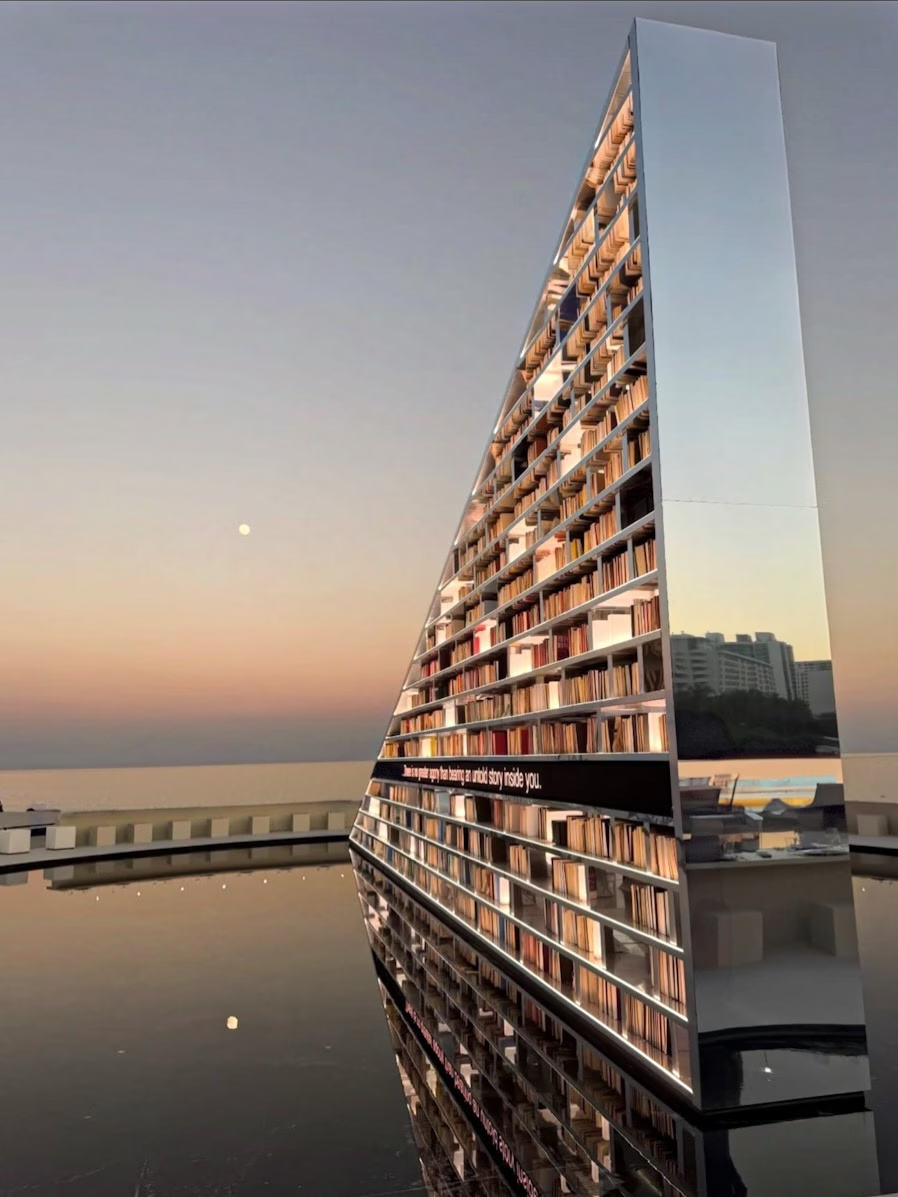
That evening the beach behind the Faena switches on its annual installation — a pavilion one year, a labyrinth of books the next — and the opening viewing gathers the week’s first room. Artists and advisers, the collectors who commission works rather than wait for them. Tuesday belongs to the previews: Design Miami opens its pavilion beside the convention center by invitation, the design trade walking it a day ahead of the big floor. In the evening the ICA, which asks no ticket as always, throws its season-opening reception across five new shows at once. The night ends, as it reliably does, on the terrace at Soho Beach House.
The house’s amended guest policy — one guest after six, all week — tells you where the week’s center of gravity sits. The regulars noticed first. Arriving Wednesday is arriving to a conversation two days old.
The card
The week’s operative document is not a ticket; it is a card. First Choice, the fair’s top credential, opens the doors at eleven on Wednesday morning — seven hours ahead of Preview, two days ahead of the public. There is no box office for it. Galleries nominate their own, and each card admits two. The nomination reports a relationship rather than starting one: the collectors who hold the card were nominated in May, on the strength of the year, not in December on the strength of the week. The card comes with a chauffeured car service, the collectors’ lounge, select museums, and Design Miami’s members’ opening — but its real gift is the hours.
Everyone else is served honestly: a First Access ticket opens the doors at eleven on the public days, when the floor is a calmer room and the dealers still have their voices.
The floor keeps its own map
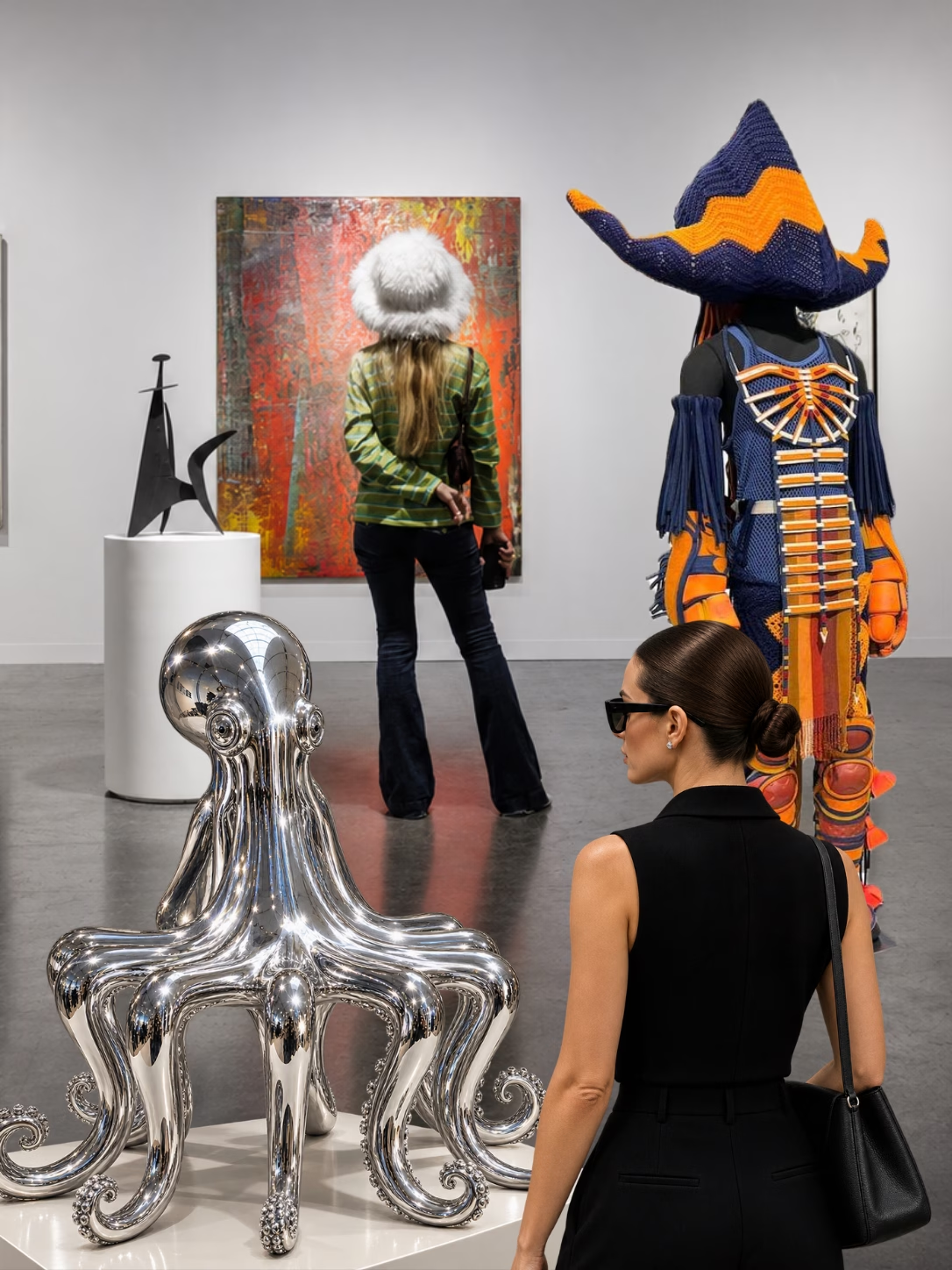
The building is organized as a map, and the map is worth learning before Wednesday. Galleries holds the establishment; Nova carries the young programs, Positions gives single artists their statements, and Meridians takes the works too large for any booth. Survey is the week’s scholarship — historical presentations of artists the market misplaced. A recent edition returned the self-taught Janet Sobel to view: the all-over poured canvases Pollock saw before pouring his own. That sector rewards the slowest walking in the building.
The newest sector, Zero 10, gives the digital frontier a curated address; one recent edition’s mascot was a pack of robot dogs wearing the heads of tech titans, photographing the crowd as it photographed them back. Two-thirds of the 283 galleries come from the Americas — this is the hemisphere’s fair, not an outpost of Europe’s — and in the director’s own phrase the edition is a remapping of the Latin American canon. Those programs are where the time goes.
Wear the shoes you could stand in for six hours on concrete. Between two and five the aisles run shoulder to shoulder, and the work will still be there at eleven tomorrow. By four the floor is a crush, and at six the day moves elsewhere.
The mornings belong to the museums
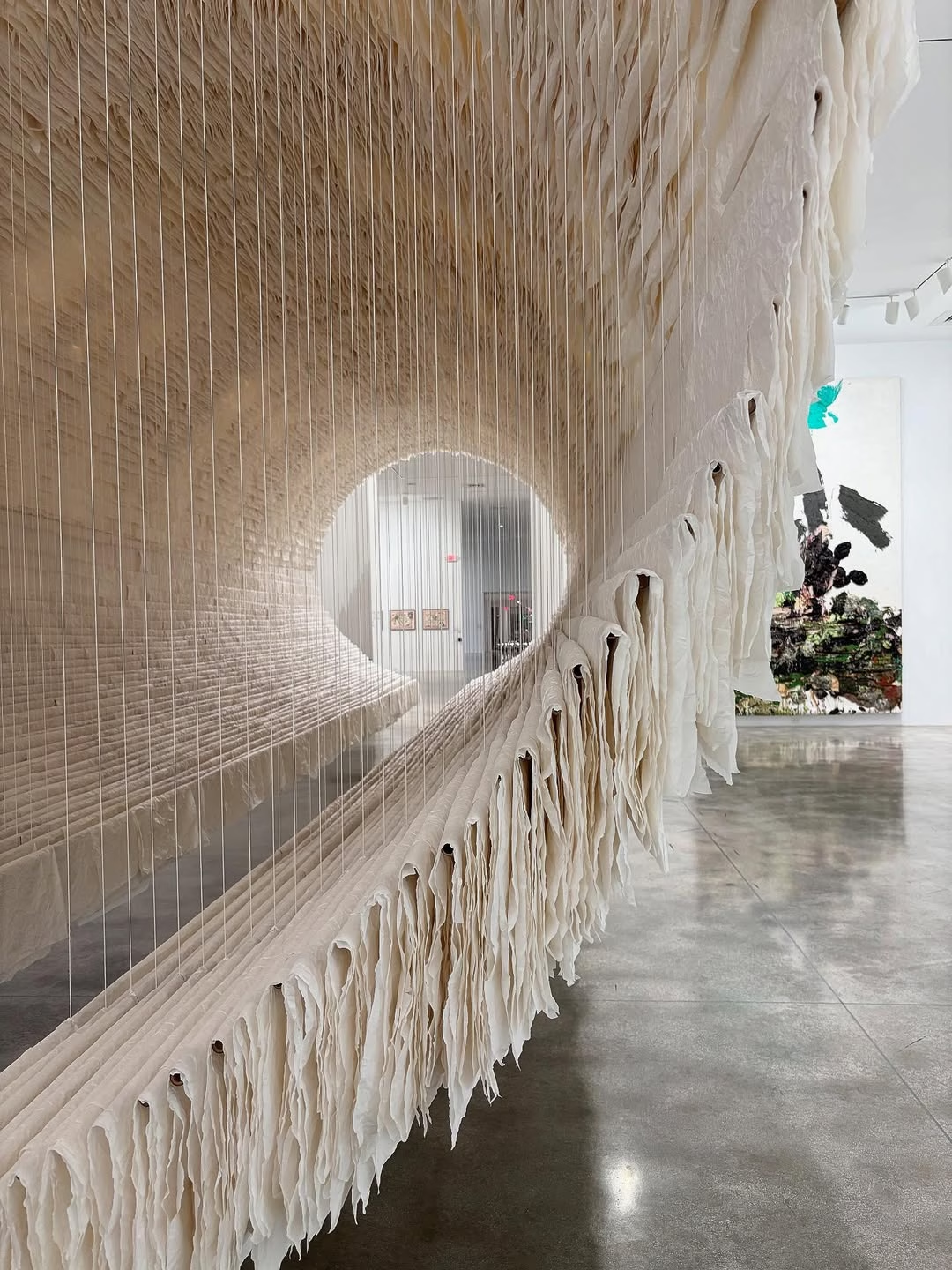
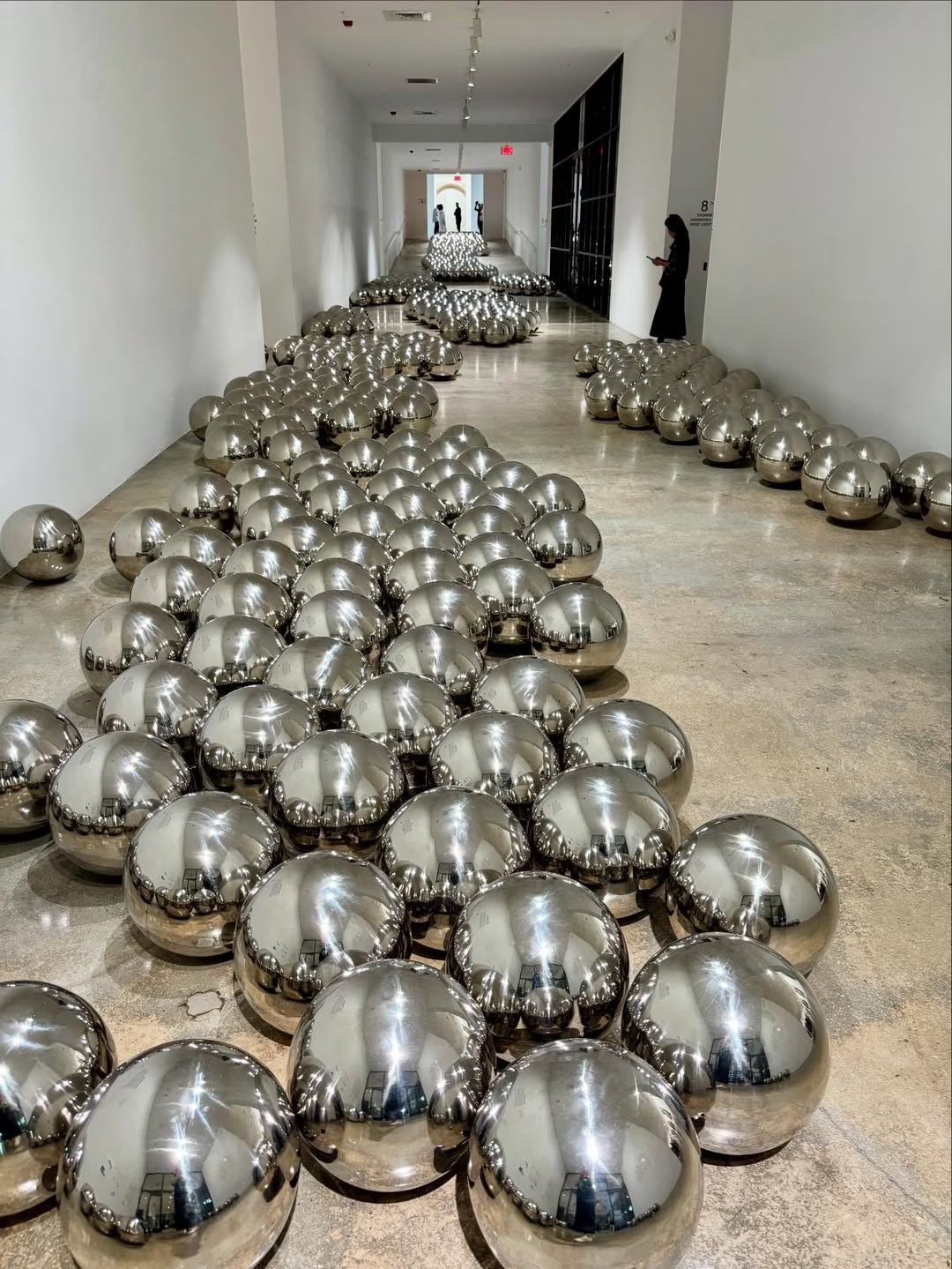
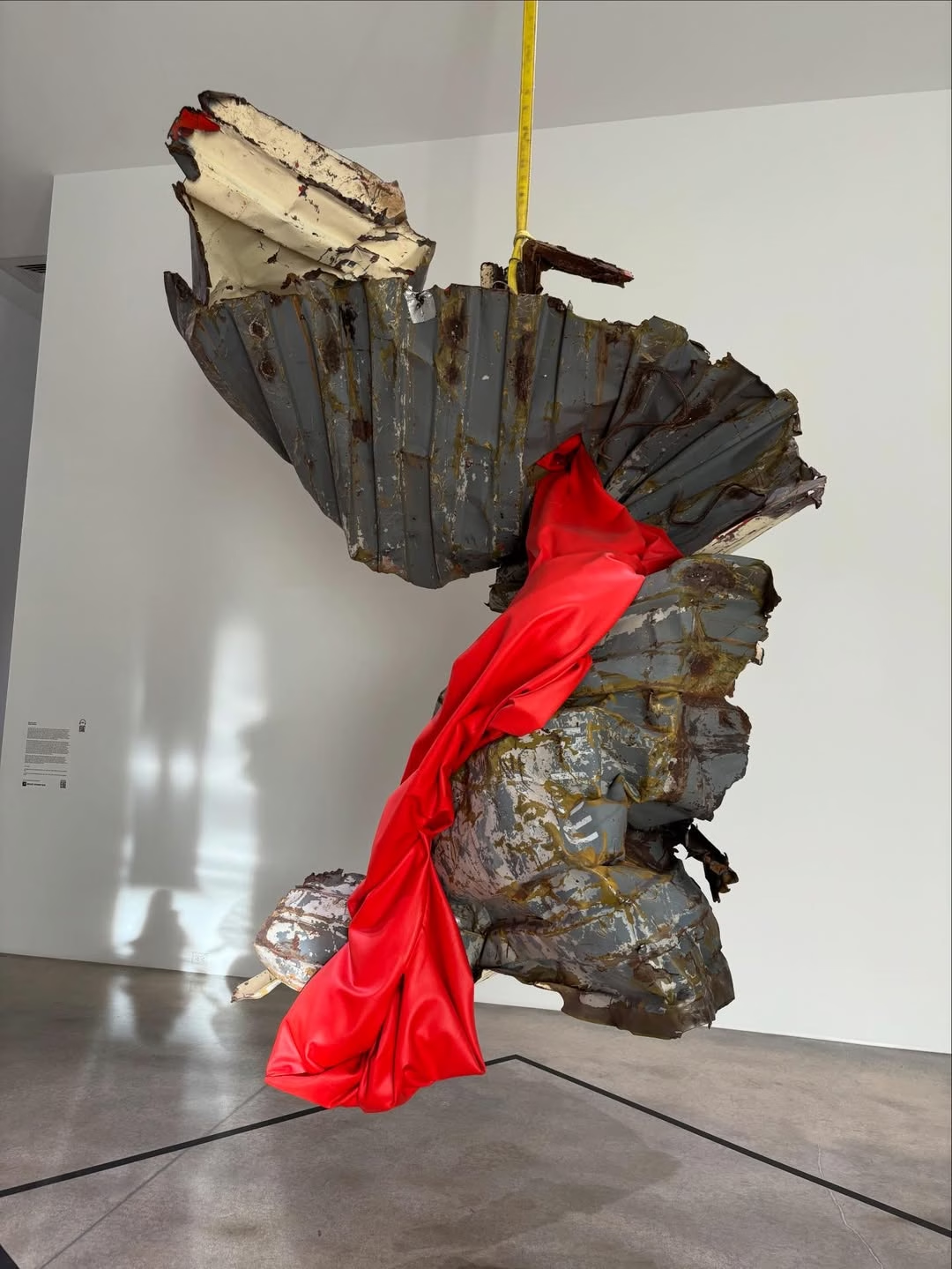
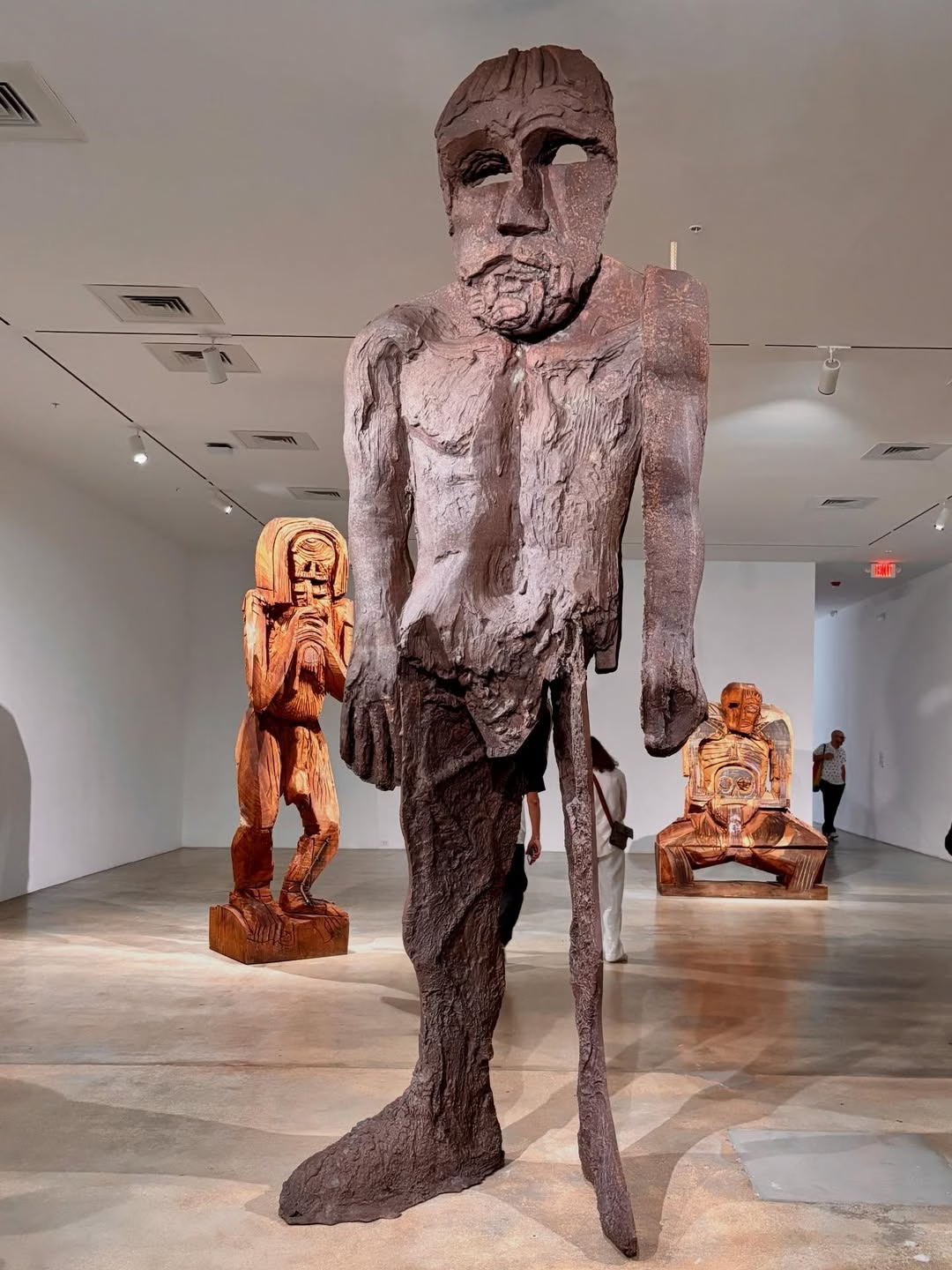
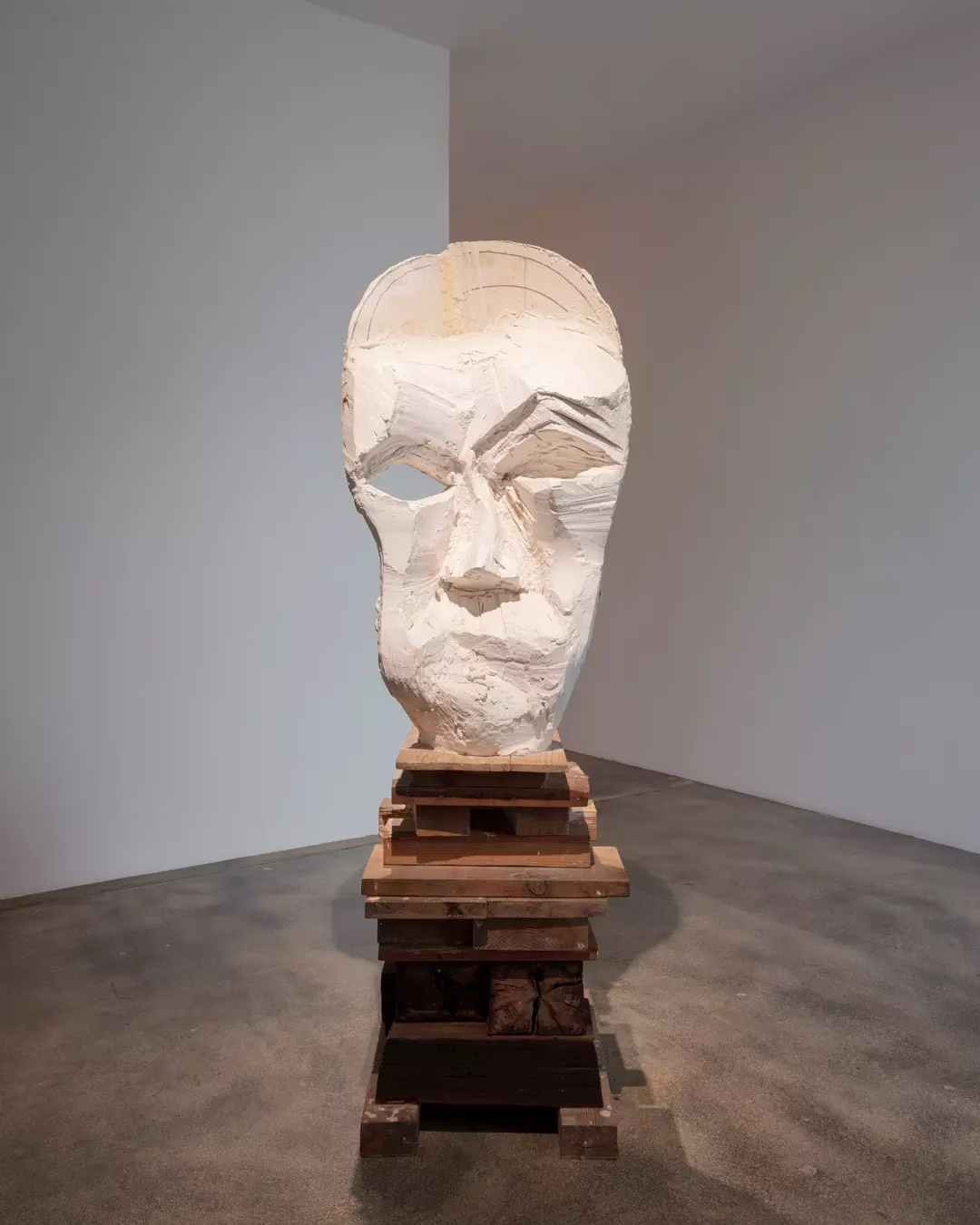
Miami’s museum culture is a private-collection culture, and the mornings are when the week shows its roots. The Rubell Museum holds a hundred thousand square feet in Allapattah, and it began in a New York walk-up, with the couple who helped bring the fair to Miami Beach at all. Go when the doors open.
The first works were acquired on weekly installments while Don Rubell was in medical school and Mera was teaching Head Start. The Margulies Collection keeps warehouse hours in Wynwood — a hangar of sculpture and photography assembled by one man’s eye, over decades, ahead of the market’s agreement. The ICA asks no ticket, ever, and its building is the argument the Design District keeps making.
One absence marks the week: the de la Cruz Collection, open to all for fifteen years, closed when Rosa de la Cruz died, and its thousand works went to auction. Every December the family had opened its Key Biscayne house to start the week, and the calendar still carries the shape that ritual left.
The Bass sits two blocks from the convention center, and the Wolfsonian admits cardholders on the card, for the morning when the floor needs a day off.
Twenty fairs, and the four that matter
Twenty fairs run the week; four matter to most visitors, and each keeps its own code. NADA, on North Miami Avenue, is the dealers’ fair — young galleries and advisers shopping for themselves — and its door endows an annual acquisition for the Pérez Art Museum: NADA’s whole character in one arrangement.
Untitled pitches its tent on the sand at Ocean Drive and 12th — the most curatorial of the satellites, its subsidized sector carrying galleries too young for the convention center. Aqua, up Collins Avenue, is the last of the true hotel fairs: the beds pushed aside, a gallery in every room, the dealers living above their inventory. The courtyard bar fills at dusk with the emerging trade. Scope, in its pavilion at 8th and Ocean, runs the spectacle wing. Each fair posts its own hours.
The rest of the twenty are for specialists and the indefatigable.
The hotels are the venues
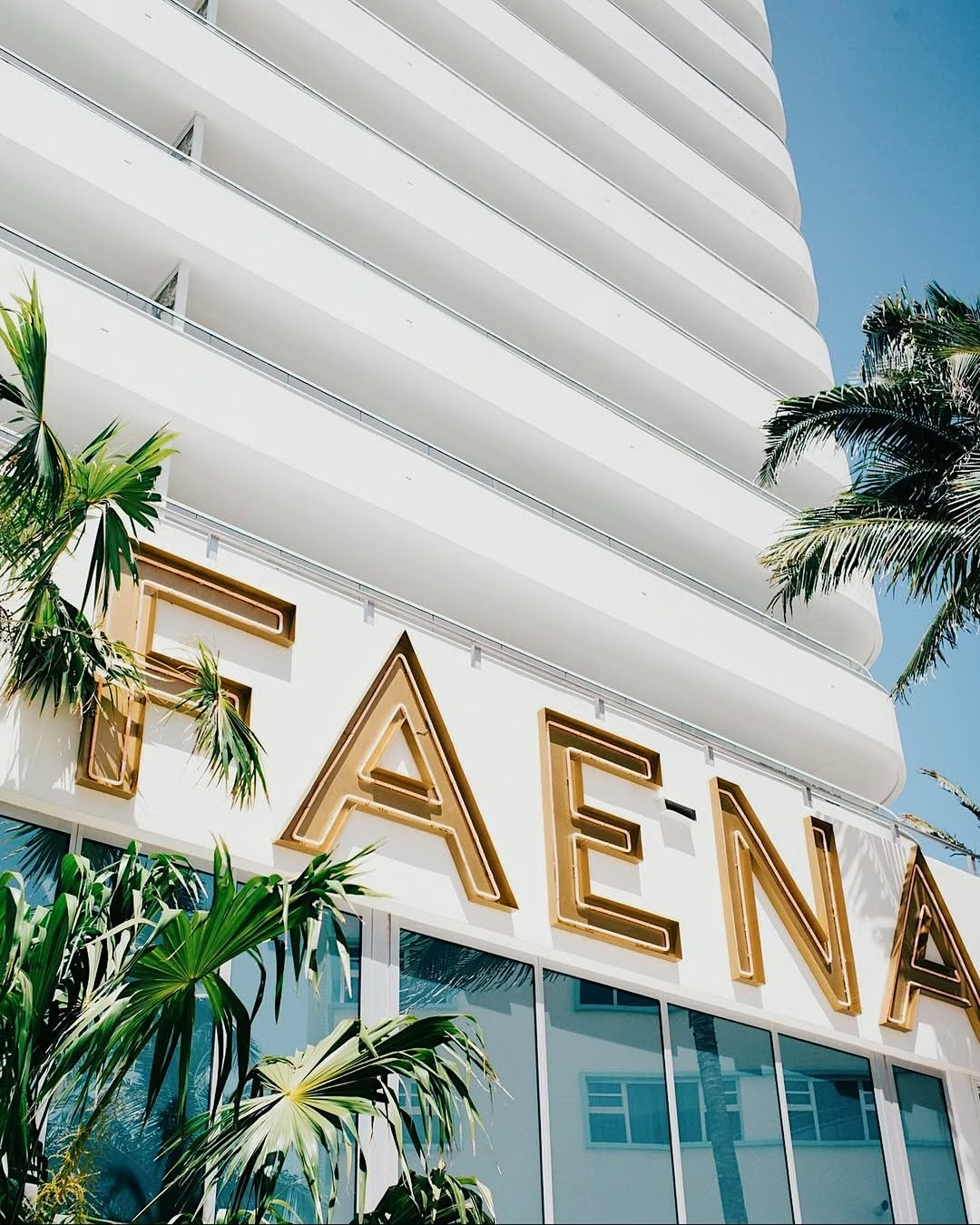
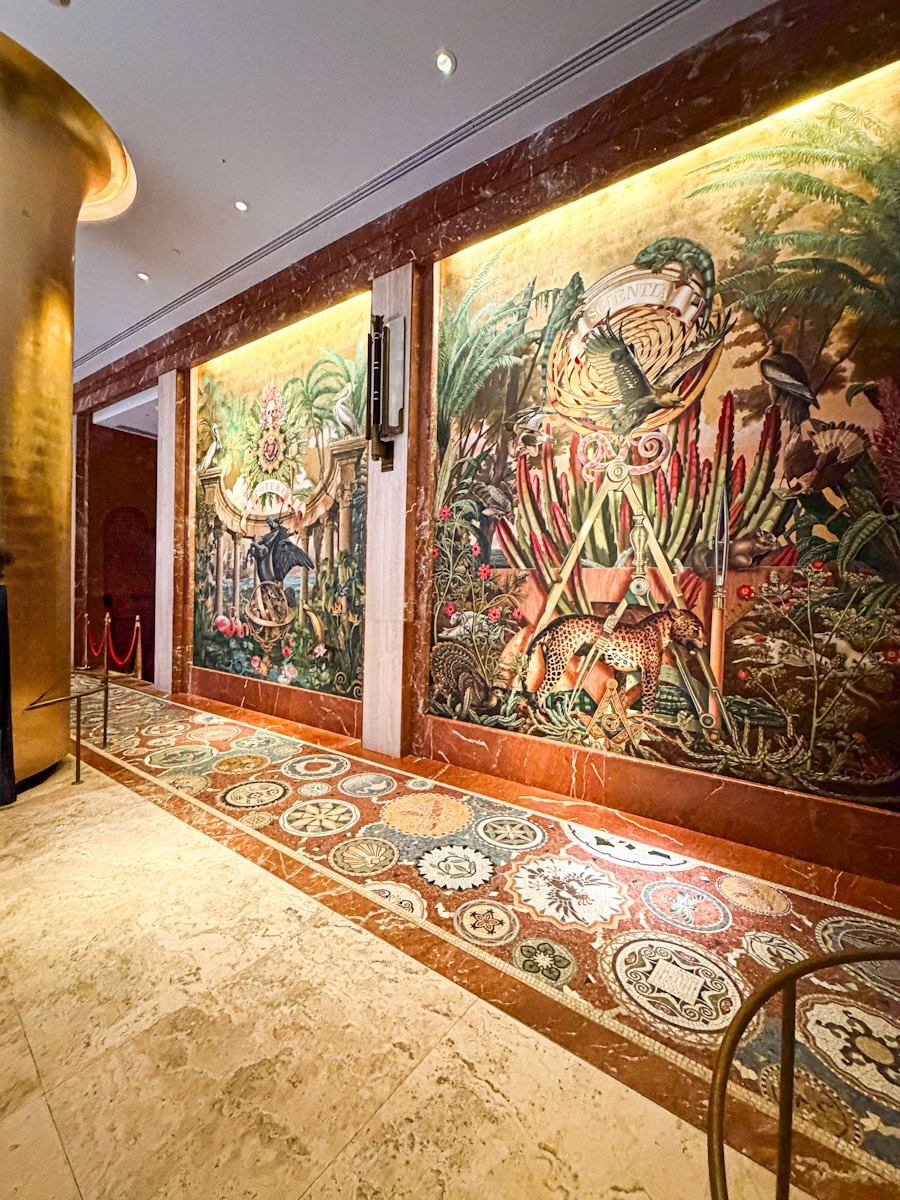
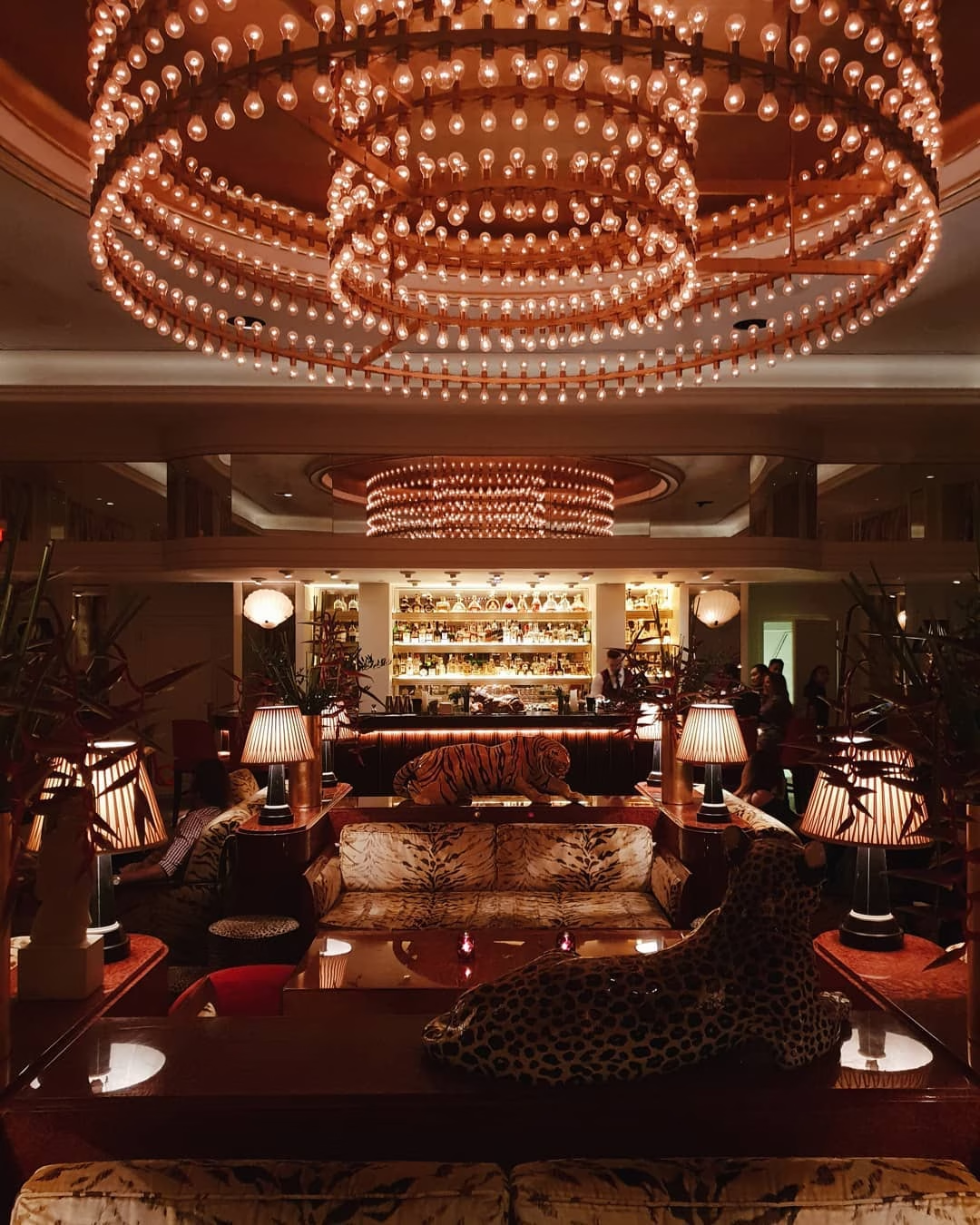
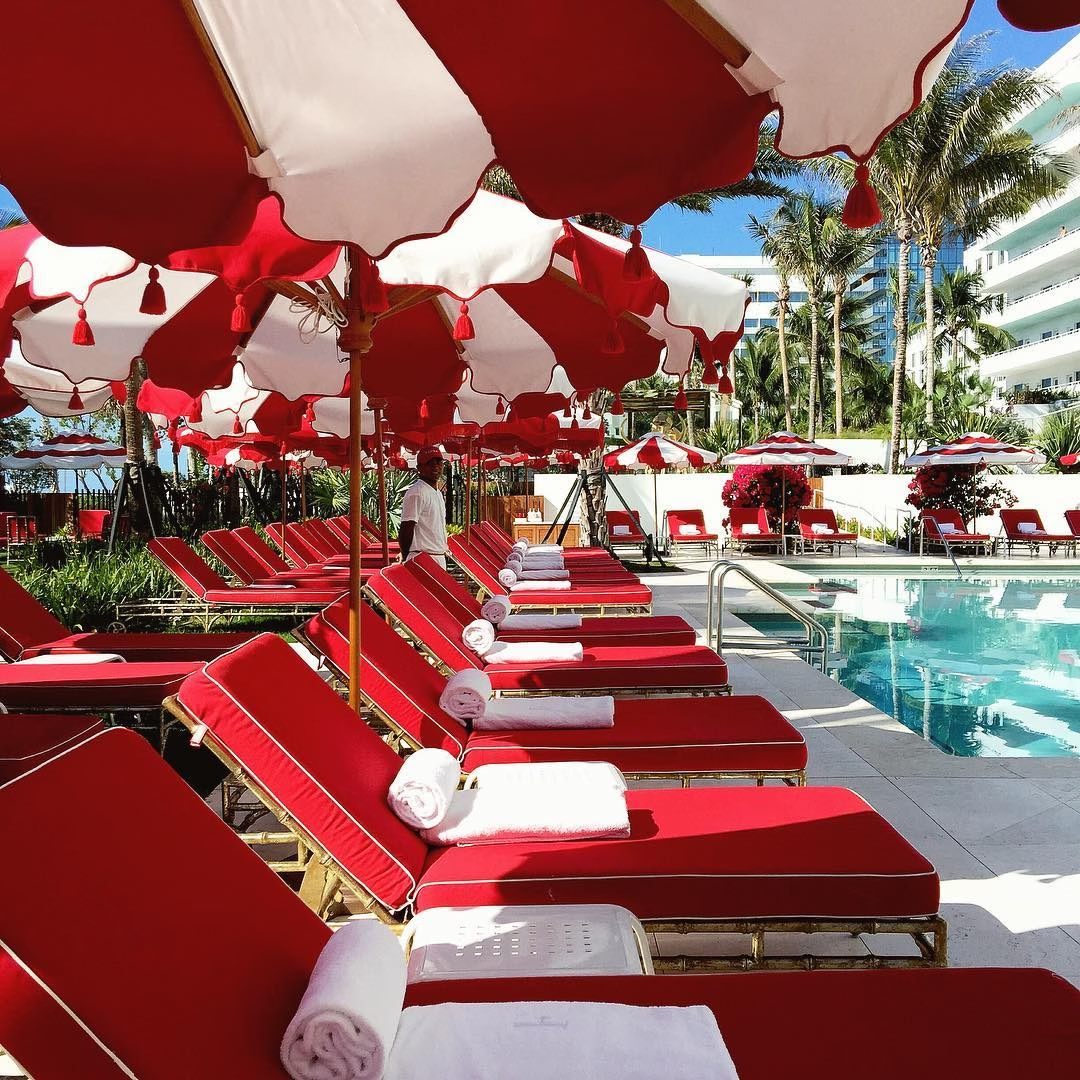
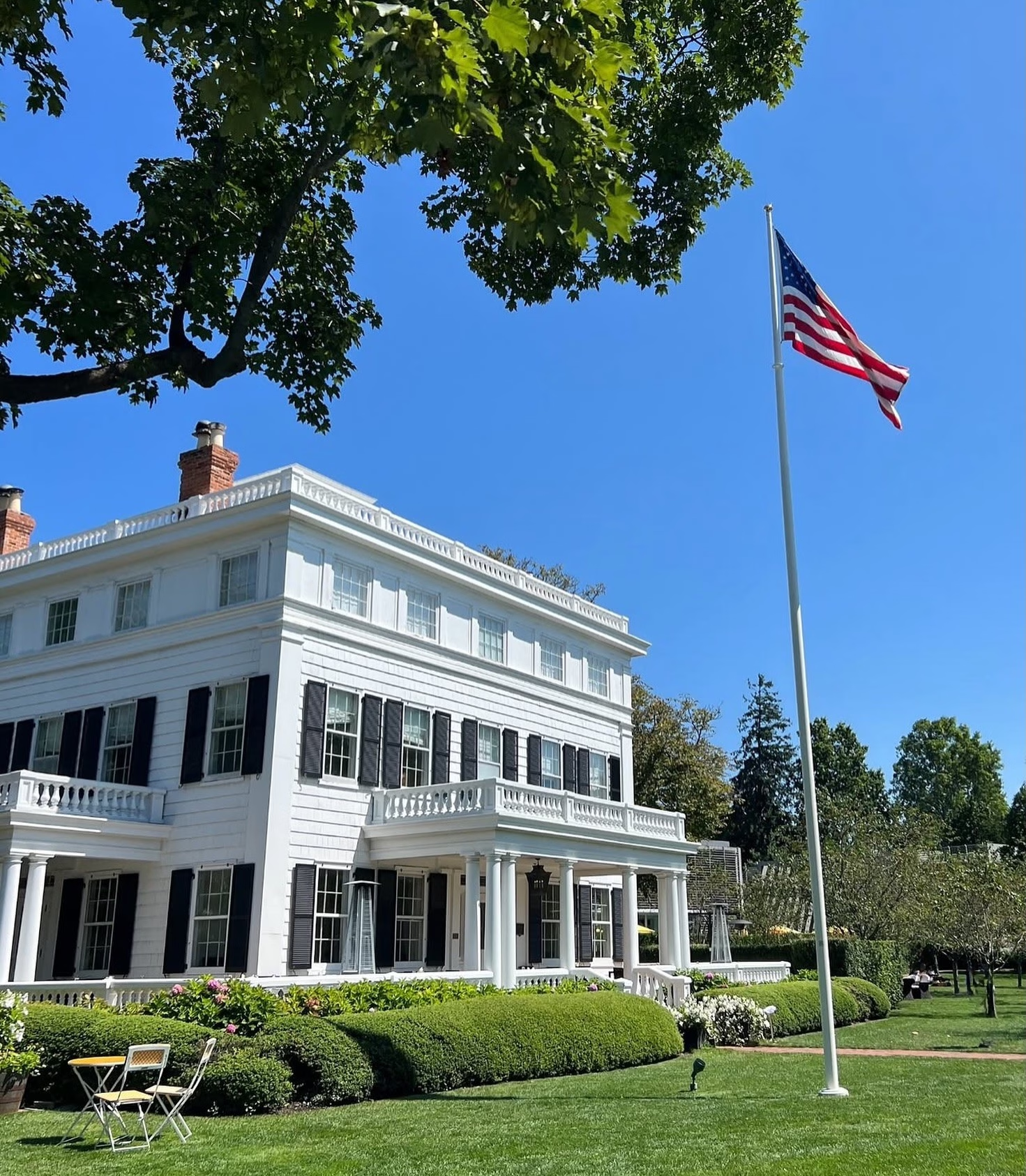
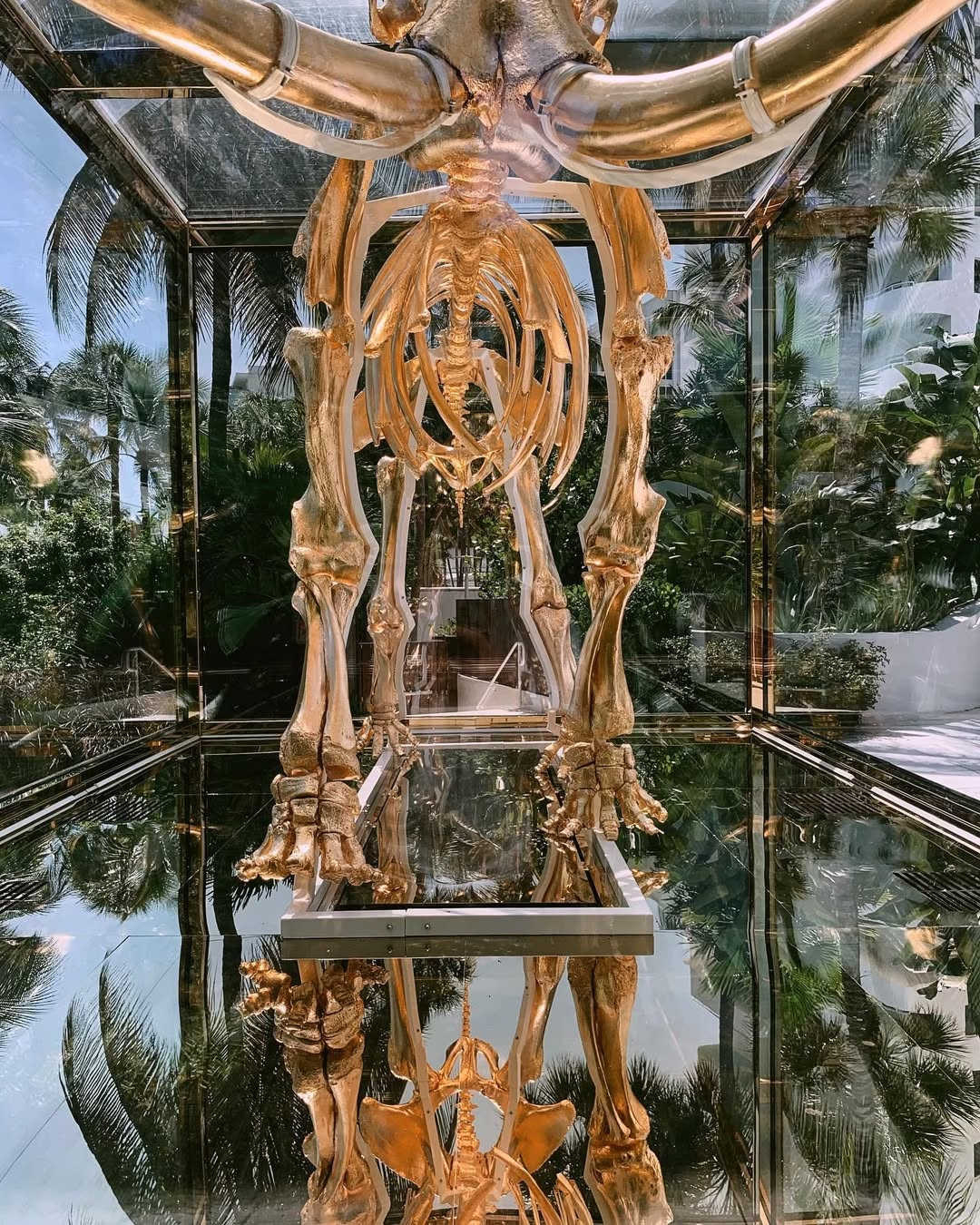
The booking is a decision about which conversations you sleep inside. The Faena is the week’s theater — the gilded mammoth on the path to the beach, the lobby running gallery dinners back to back with brand dinners. A room there puts the week in your elevator.
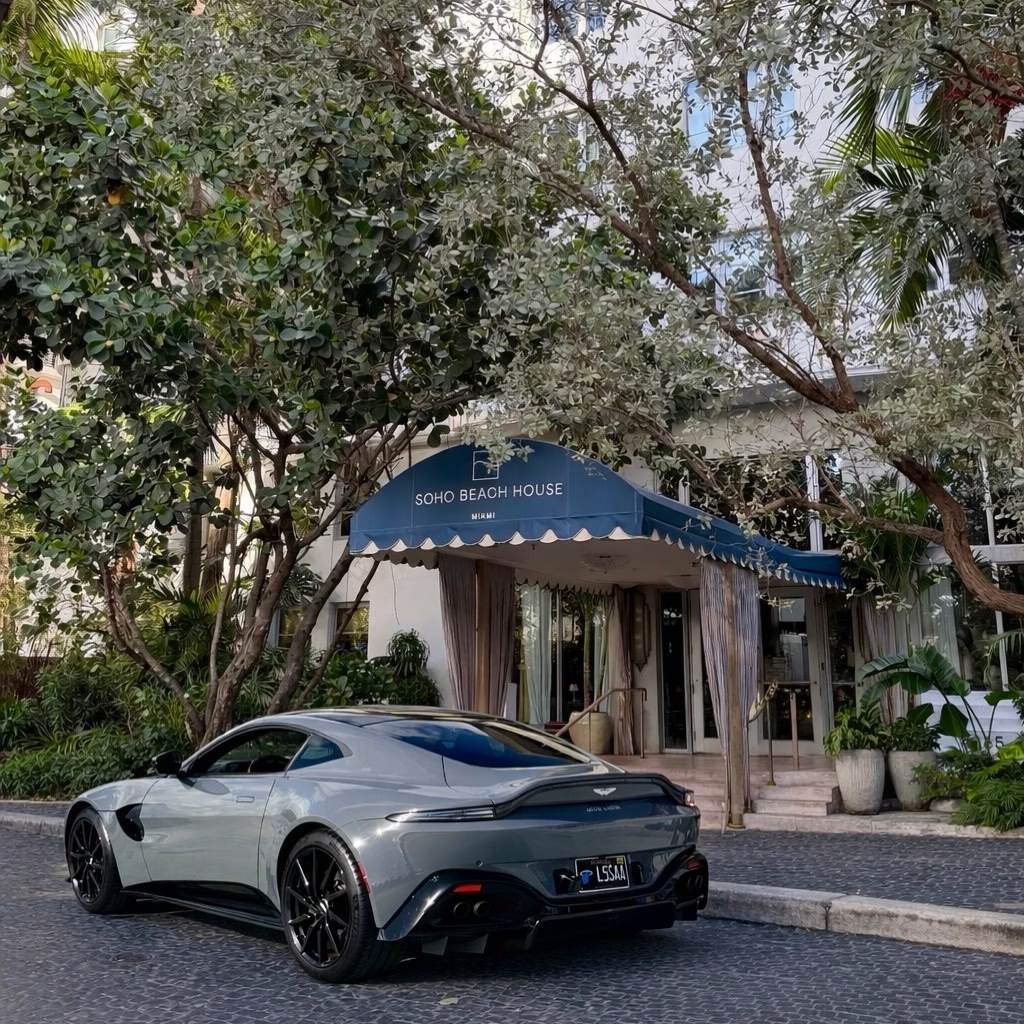
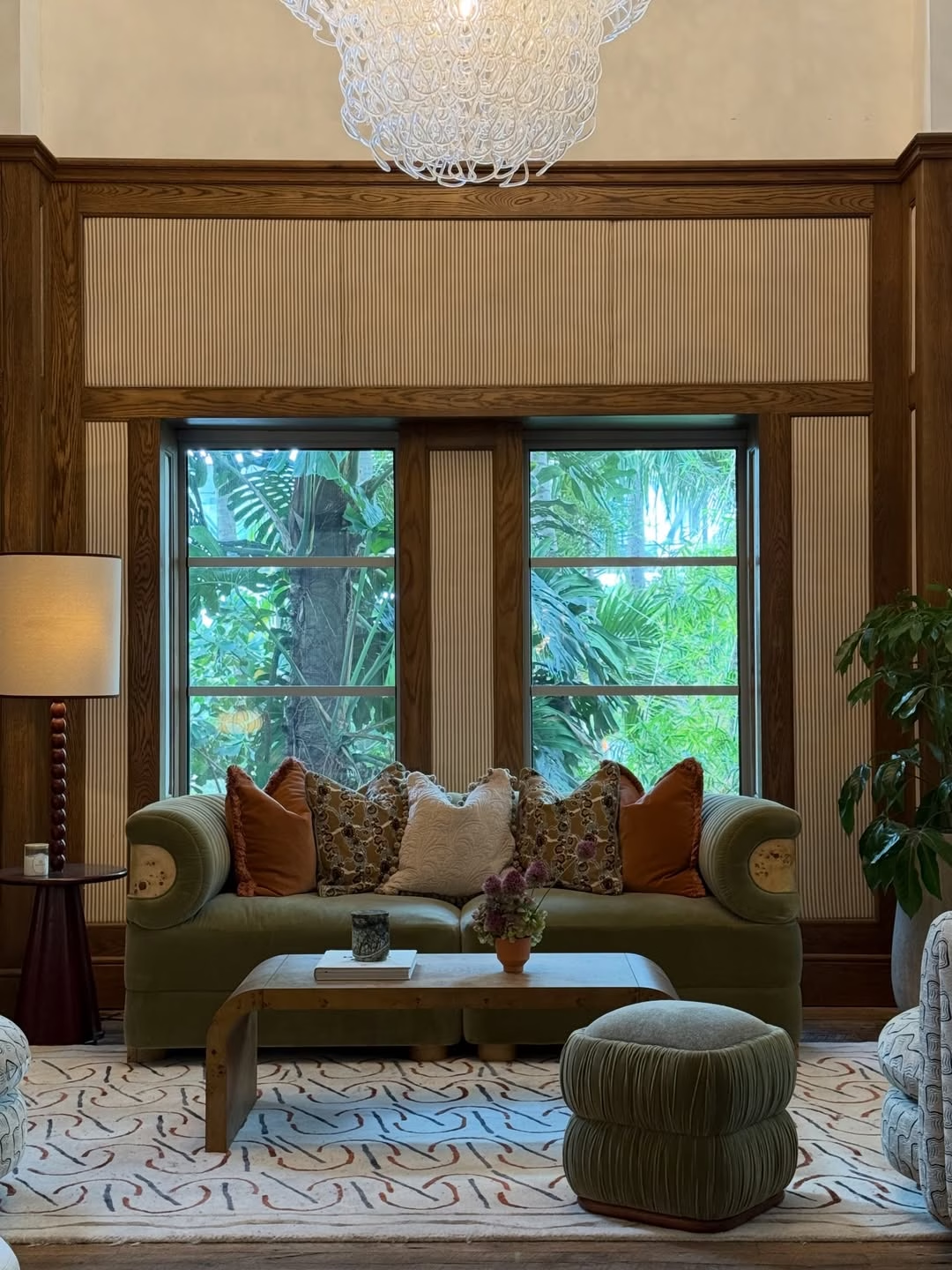
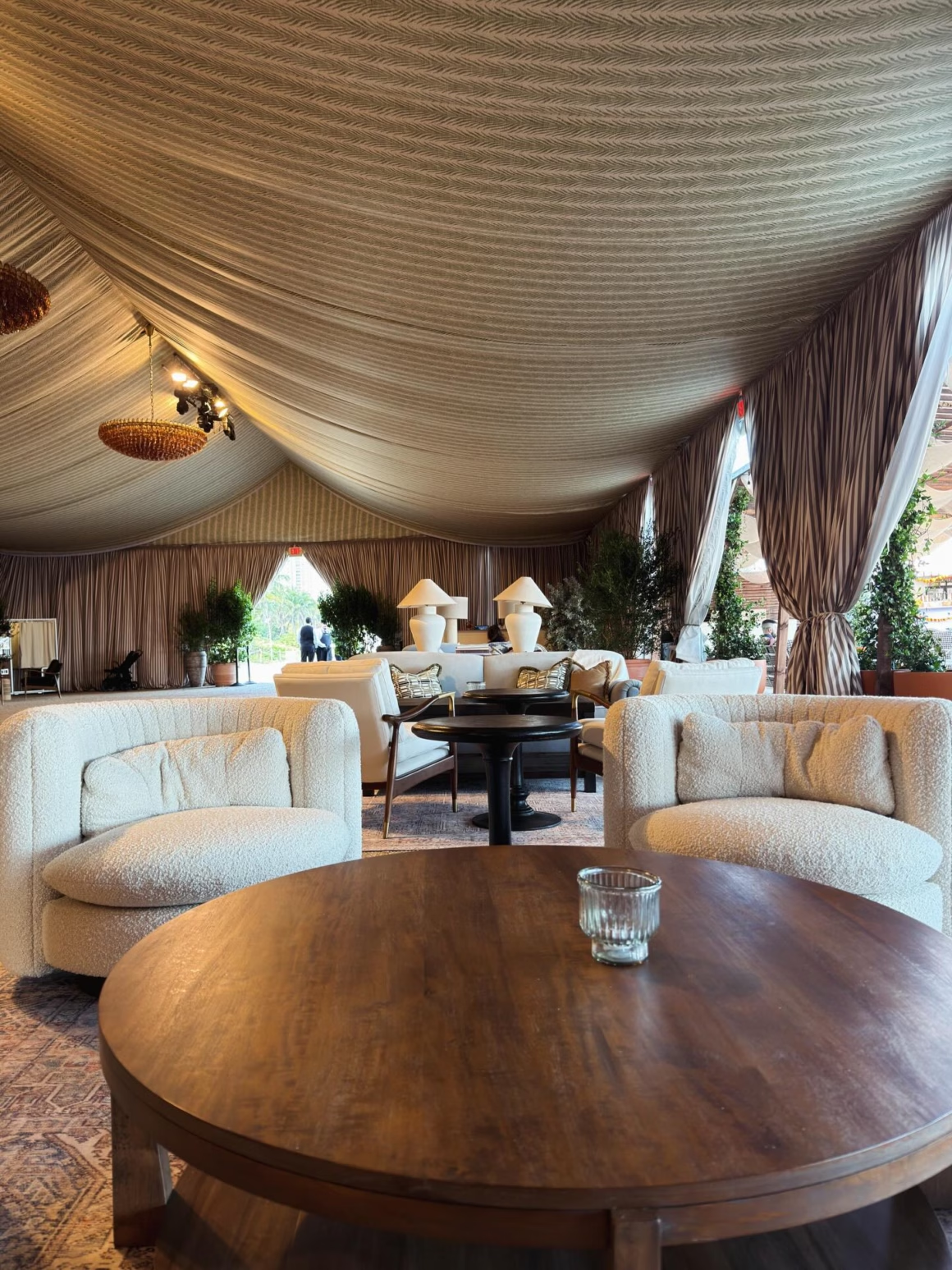
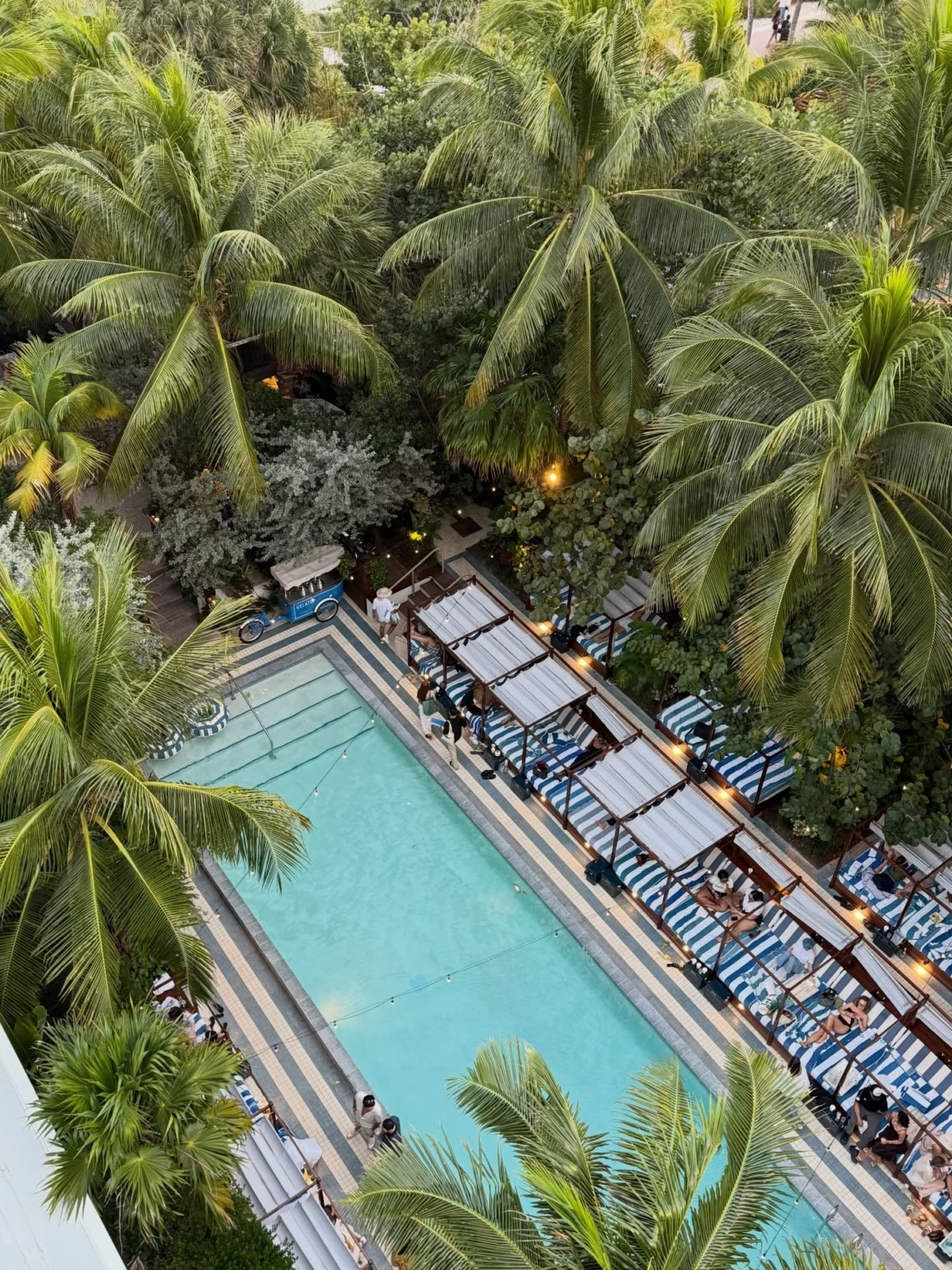
Soho Beach House is the trade’s house: fifty rooms in the old Sovereign, Cecconi’s downstairs, the terrace where Tuesday night ends, and the members book it out first. The Setai and the 1 Hotel hold the quieter register — the Setai’s courtyards for collectors who skip the scene, the 1’s rooftop for the ones who brought trainers and intend to use them.
The practical rule decides everything: book where you want to be at midnight. By eleven the causeways stand still, and a room across the bridge is a city away. Occupancy runs near ninety percent at the week’s peak, and the rooms go to whoever booked when the flights were booked. The peak nights go first.
The tables that matter
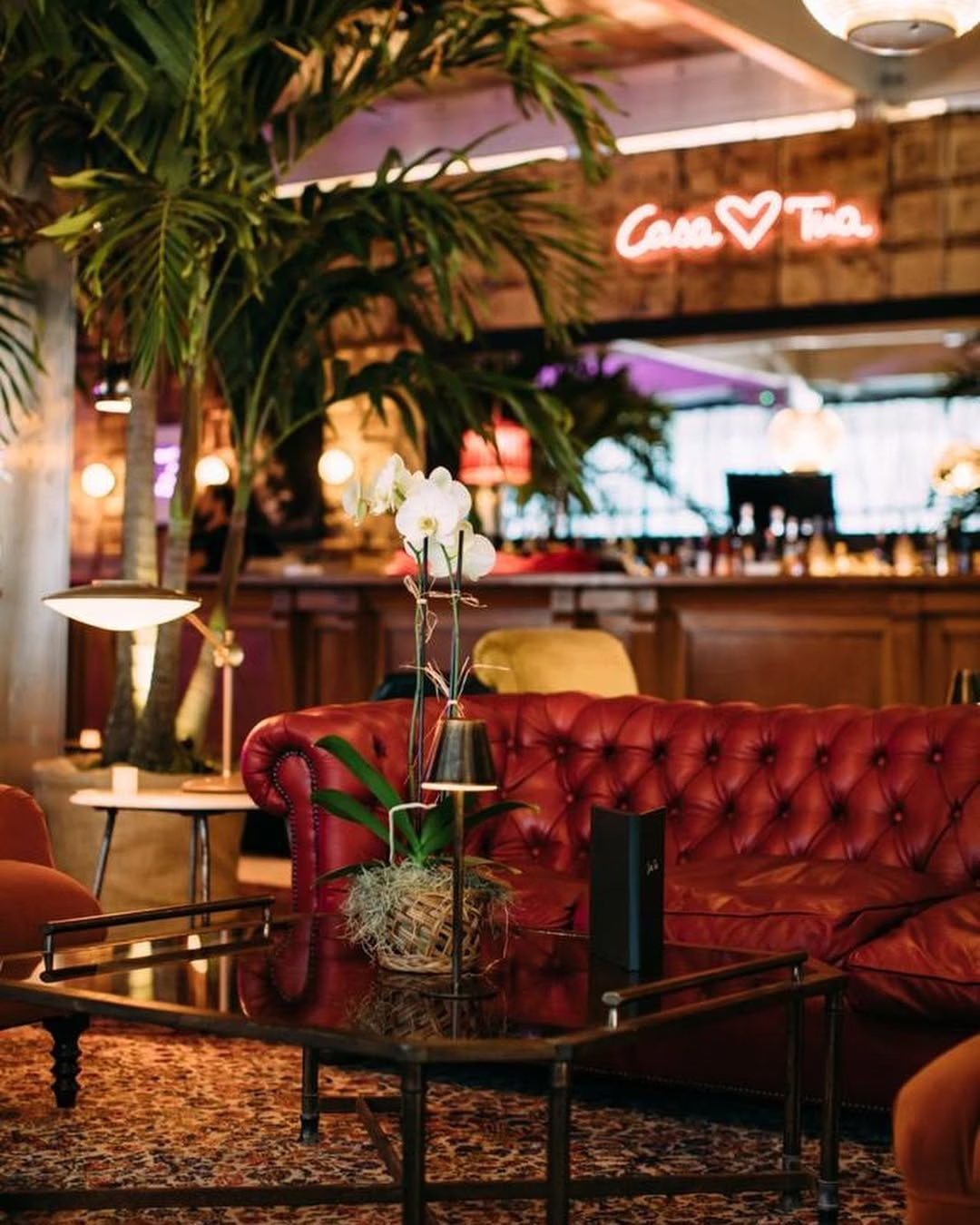
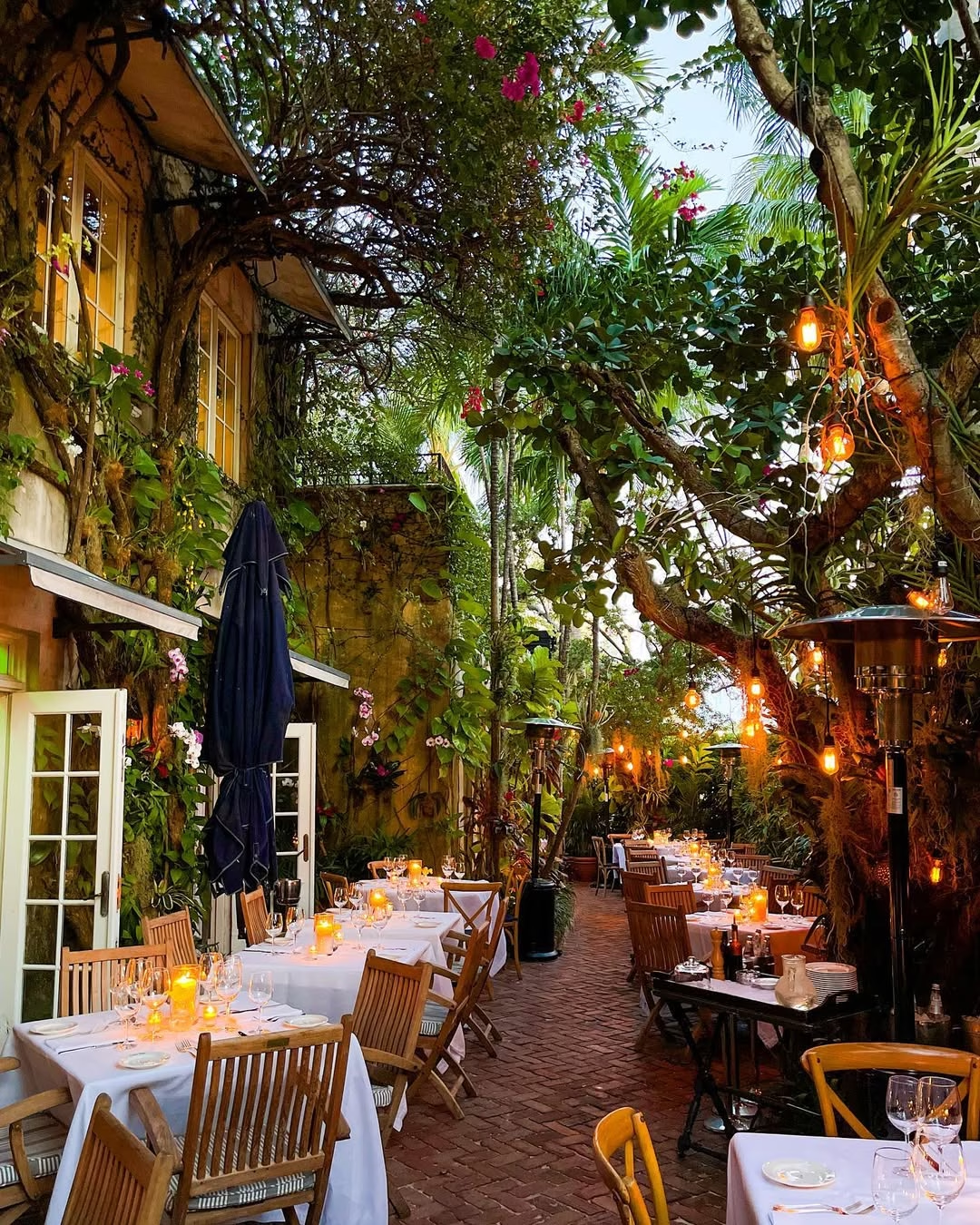
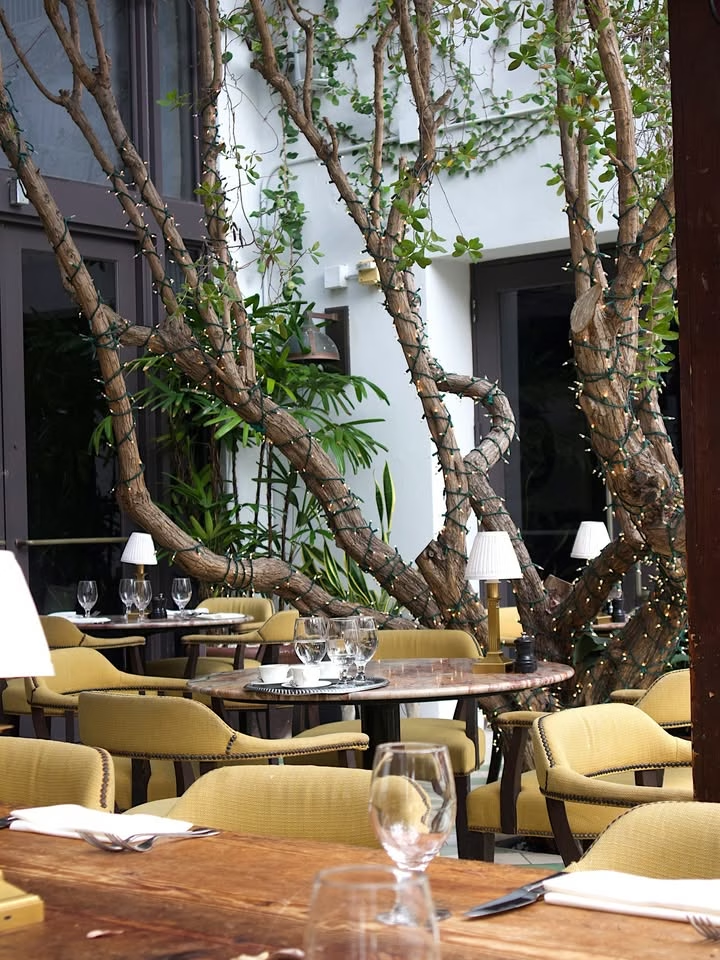
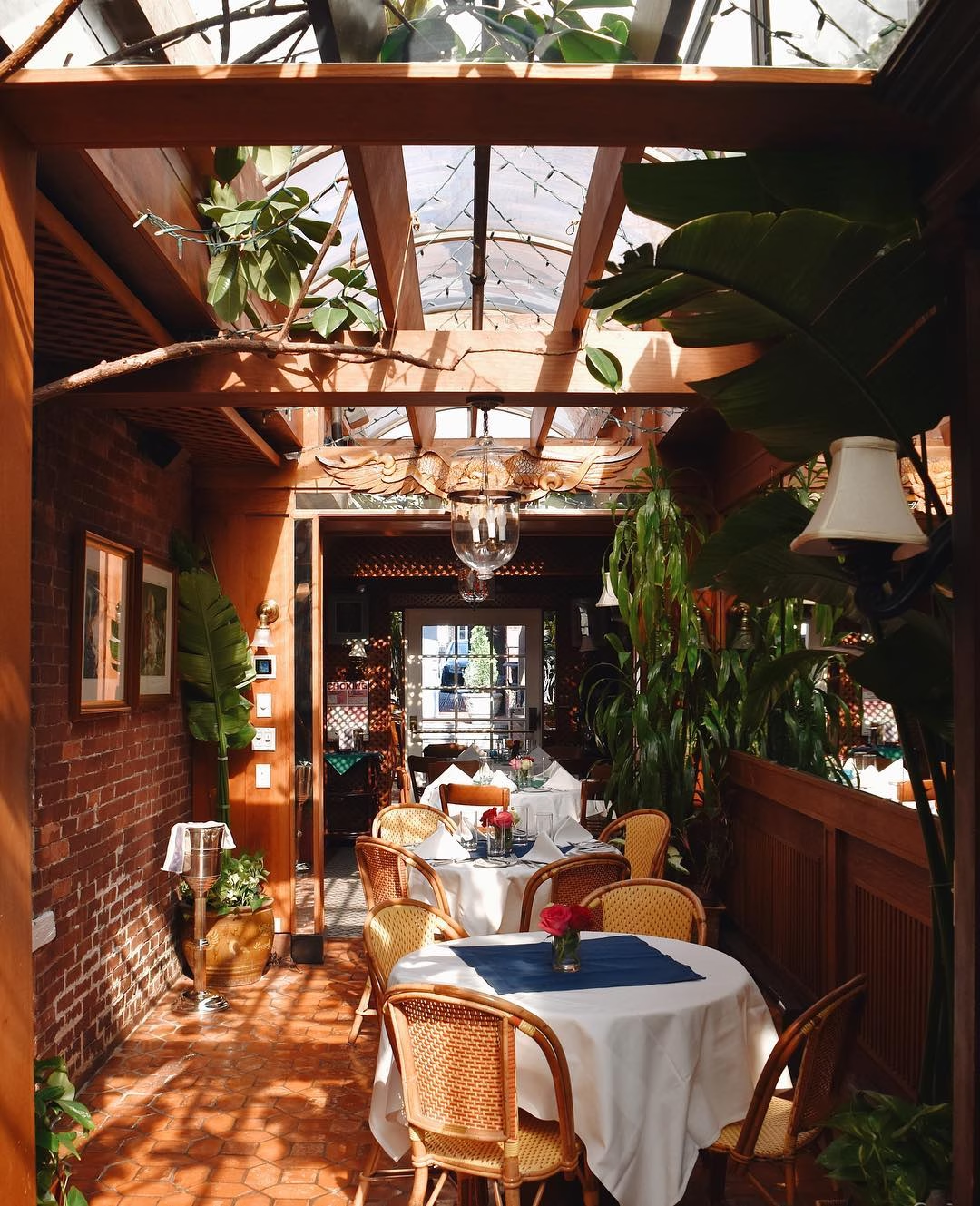
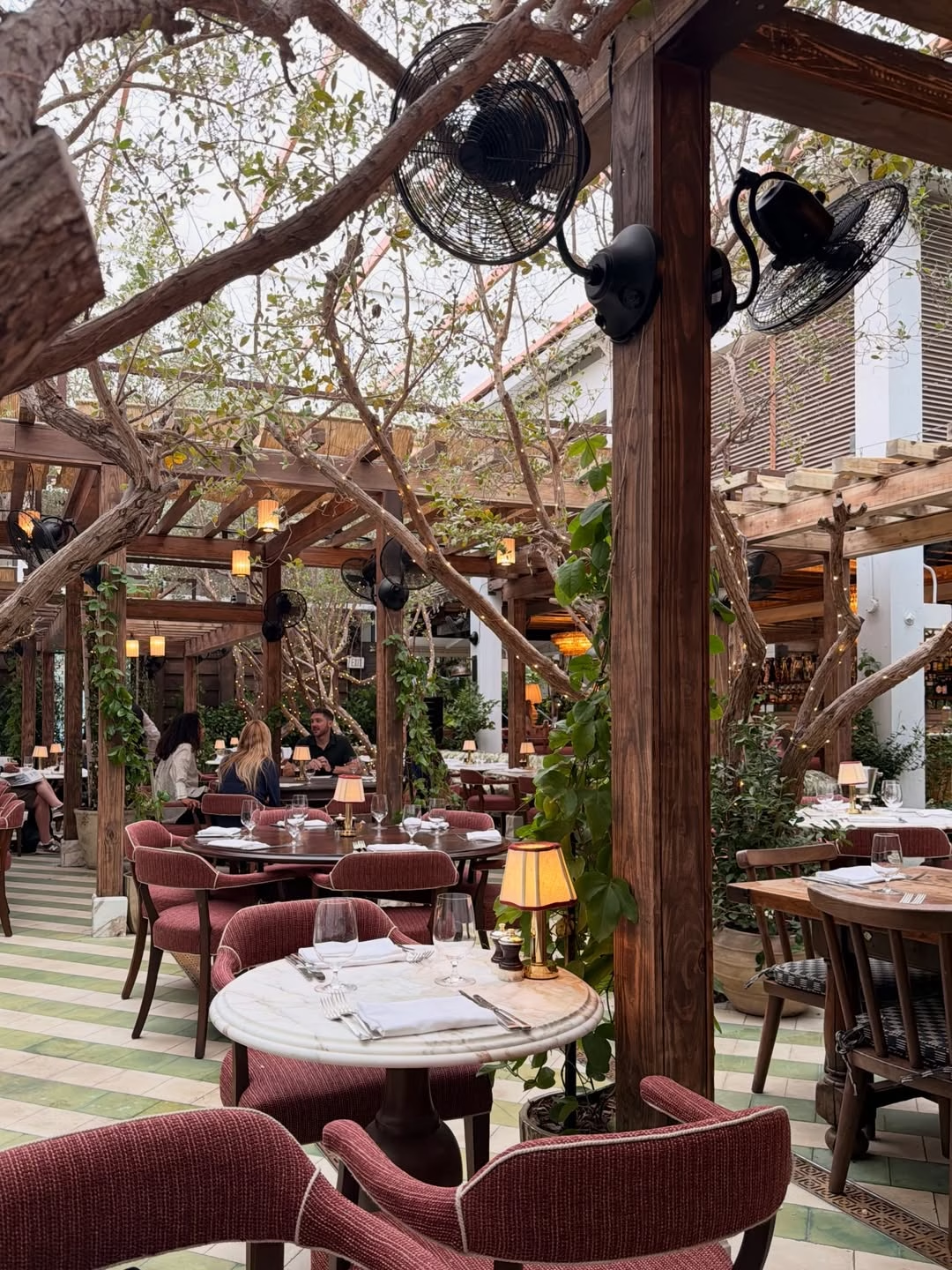
The week’s real meal is the gallery dinner, and it does not take reservations. Short of one, the tables cluster in three registers. Casa Tua, in its Mediterranean house on James Avenue, is the art world’s dining room year-round and its clubhouse this week. The membership books first, and a table on the garden terrace tells you who is sitting with whom and which gallery placed them there.
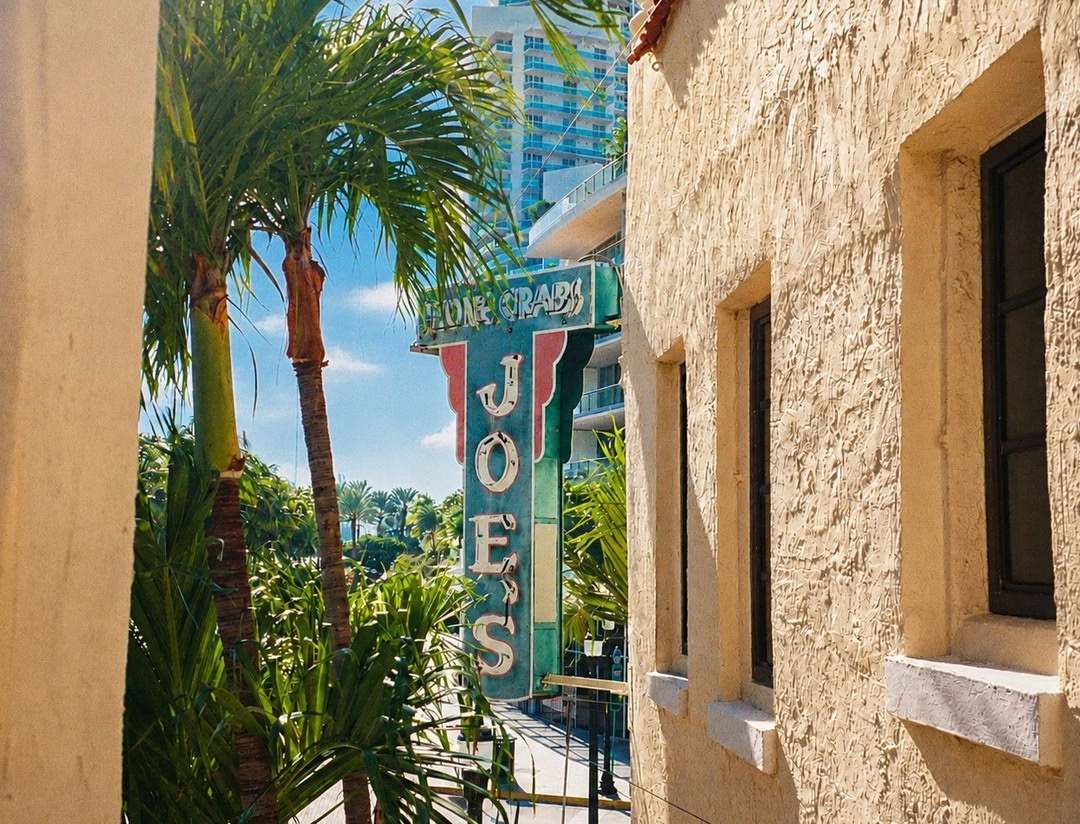
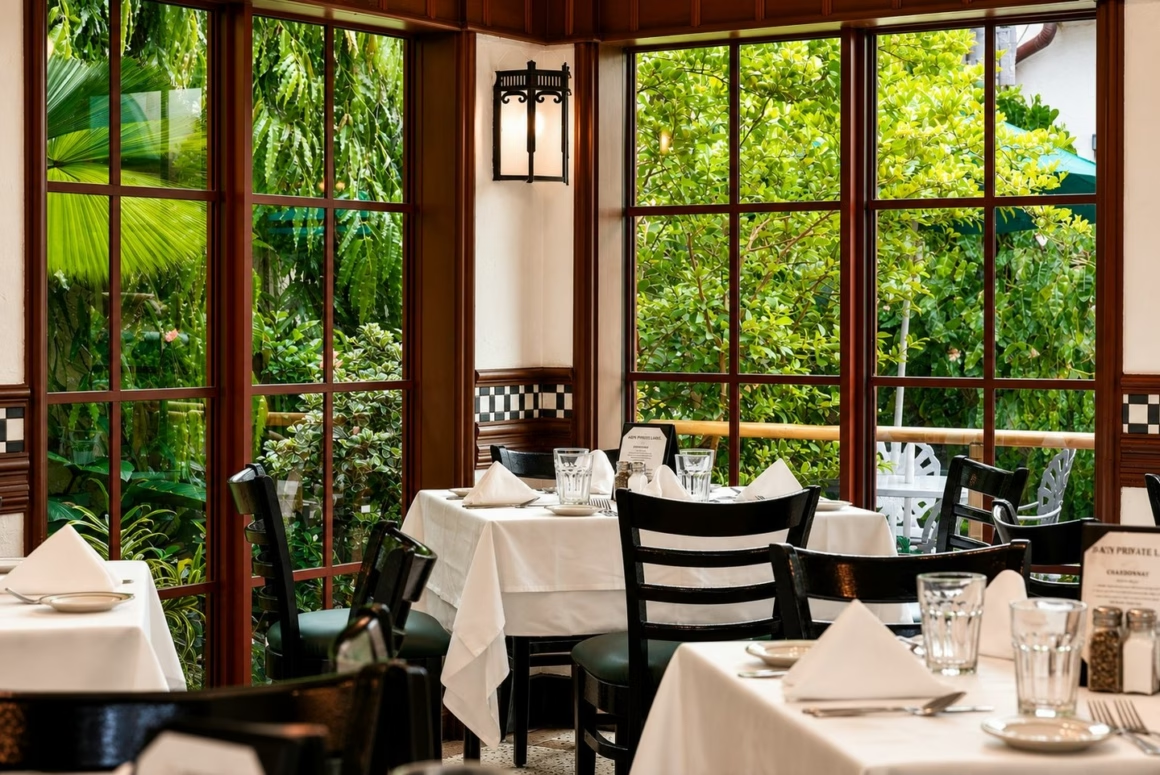
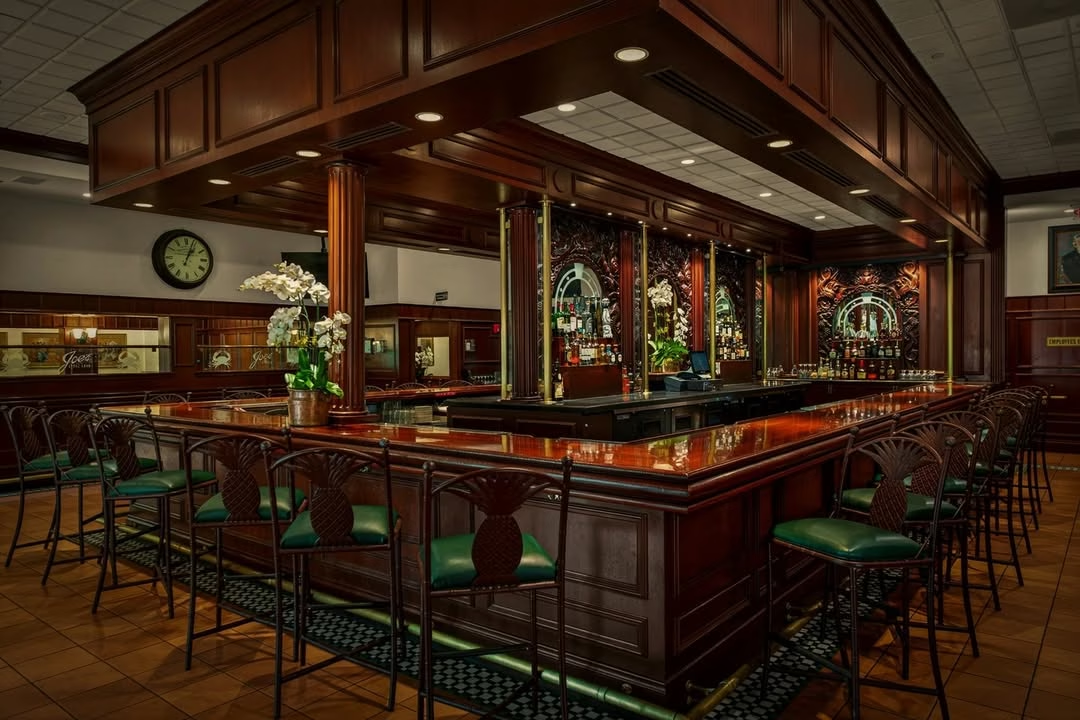
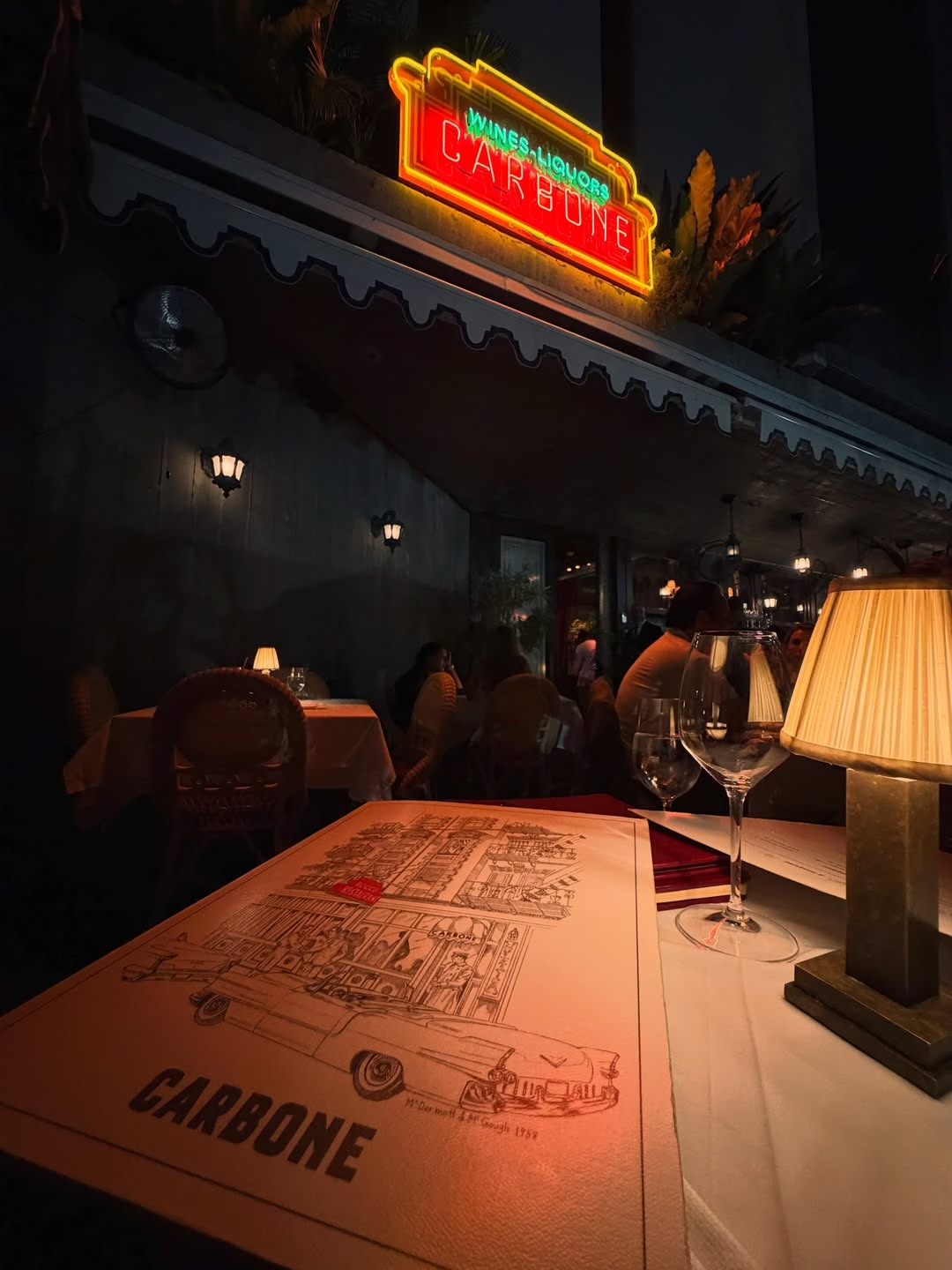
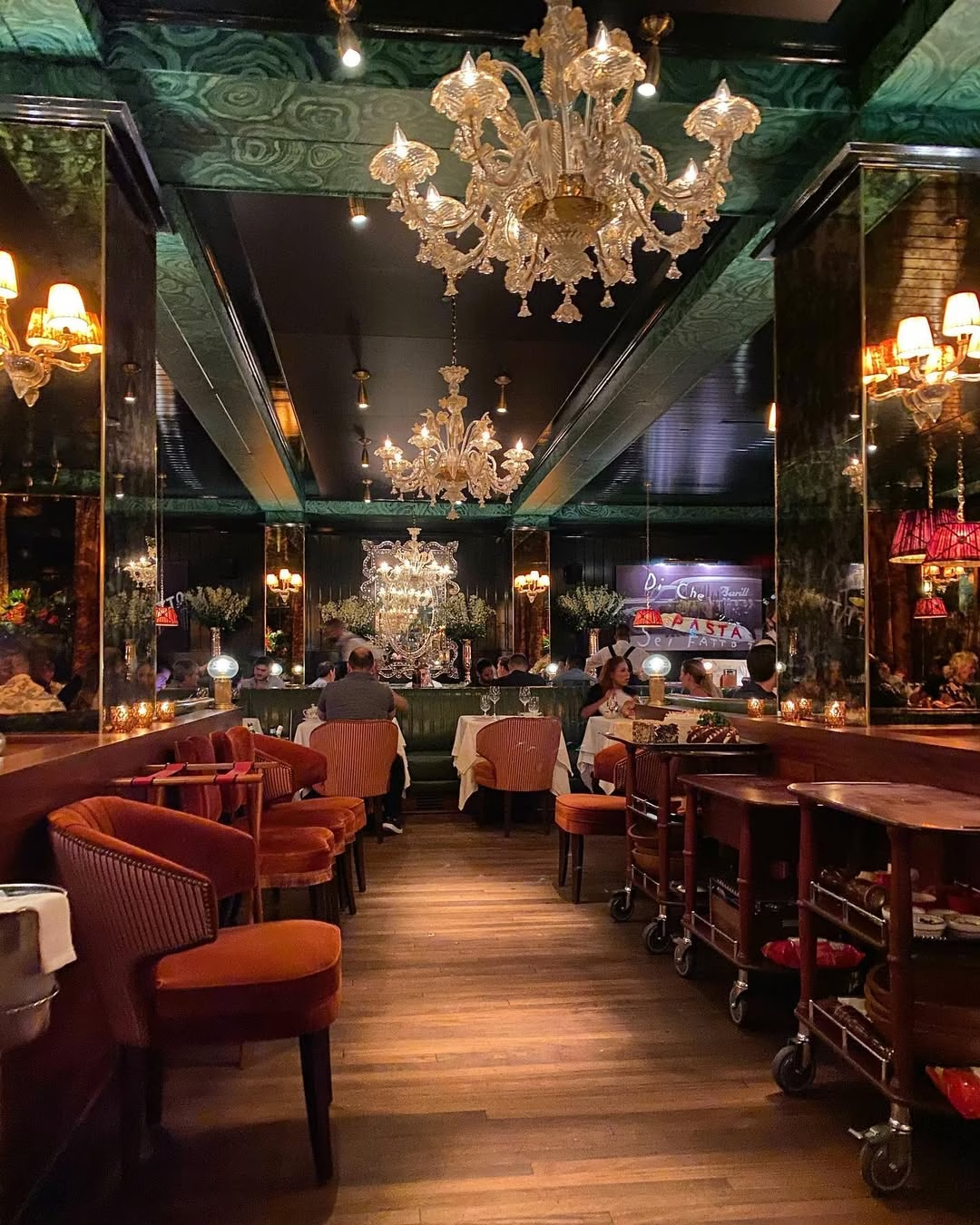
Joe’s Stone Crab took no reservation for 109 years; the book opened with the 110th season. The bar still runs on the old law — walk in, take a drink, let the maître d’ work the room — and the queue there remains the rare one in this town that is exactly what it appears to be. Stone crab by the pound, the room loud with advisers comparing mornings. Cecconi’s feeds the trade nightly, without ceremony; Carbone takes the blowout register for the evening a gallery’s week has gone well.
Book everything when the flights are booked. Joe’s keeps its own clock: the tables release fourteen days out, the weekend ones first.
The second shift
At six the day changes shifts. The brand world takes the night — the fashion houses, the watchmakers, the champagne tents, the token launches — and its parties are the week’s loudest rooms and its least informative. The mega-party with the sponsor’s name larger than the host’s answers itself; unless the host is the point, you were never going.
The rooms that matter run on invitation: gallery dinners and the collectors’ own tables, earned the same way the card is earned — in the galleries, across the year. One evening is worth engineering properly: pick the room that matters to your week and be in it. Two parties a night and there is no morning, and the morning is when the floor is worth walking.
The causeway rule
Nothing about the week rewards driving. Miami Beach is an island, and the causeways — the MacArthur, the Venetian — are the only doors: they thicken from six and stand still by eleven. The regulars move by house car, hotel shuttle, and their own shoes, and they time the crossing deliberately.
When the week takes you across — the Rubell, the Wynwood hangars — cross by two and stay for dinner on the mainland side. The taxi line at the convention center at closing is the week’s longest room. The valet line at the big hotels at midnight is its least glamorous.
The satellite fairs run shuttles between their tents and the convention center, and the boards at each door carry the day’s times — use them.
If you have one day
One day, done properly. Eleven o’clock, First Access, straight through Galleries to Survey while the floor is still empty and the dealers are still fresh; Meridians before a lunch eaten standing. Cross the causeway by two for the Rubell, which opens at ten and earns the hour. Then back to the beach for Untitled’s tent at golden hour, when the light through the canvas does half the curating and the crowd thins to the people who came for the art. Dinner at the bar at Joe’s, in line, among the week’s casualties and victors. Sleep near the sand. In the morning, before the flight, swim: the ocean at eight is the one invitation the week sends to everyone.
The arrangements
- The days — the card days are Wednesday and Thursday; the public days run Friday through Sunday, eleven to six, and the eleven-o’clock entries go first.
- The card — First Choice is by nomination; First Access is the honest way in. The fair’s own pages carry the tiers and the year’s clocks.
- The satellites — NADA on North Miami Avenue; Untitled’s tent on the sand at Ocean Drive and 12th. Each fair’s own pages carry its hours.
- The beds and tables — book where you want to be at midnight; reserve the tables when the flights are booked, Joe’s when its fourteen-day window opens.